
Introduction: The Importance of Monuments in Parisian History
Paris, the City of Light, is far more than a simple European capital. It is an open-air museum, a living story revealed through its iconic monuments. Every stone, every arch tells the tale of a people, a culture, an era. Diving into the history of Paris through its iconic monuments means immersing oneself in a rich and diverse heritage, a reflection of a city that has masterfully blended tradition with modernity.
Parisian monuments are not only witnesses of the past; they are also symbols of French cultural identity. From the majestic Eiffel Tower to the elegant Notre-Dame Cathedral, these structures attract millions of visitors each year, eager to marvel at their beauty and learn more about their historical significance. These emblematic landmarks mark the key stages of Paris’s architectural and artistic evolution.
To truly understand the magic of Paris, one must take a closer look at its monuments. This journey through time reveals how each era left its mark on the city, shaping Paris into a vibrant and captivating metropolis. Let’s explore together the architectural icons that make the heart of Paris beat.
The Eiffel Tower: A Symbol of Innovation and Love
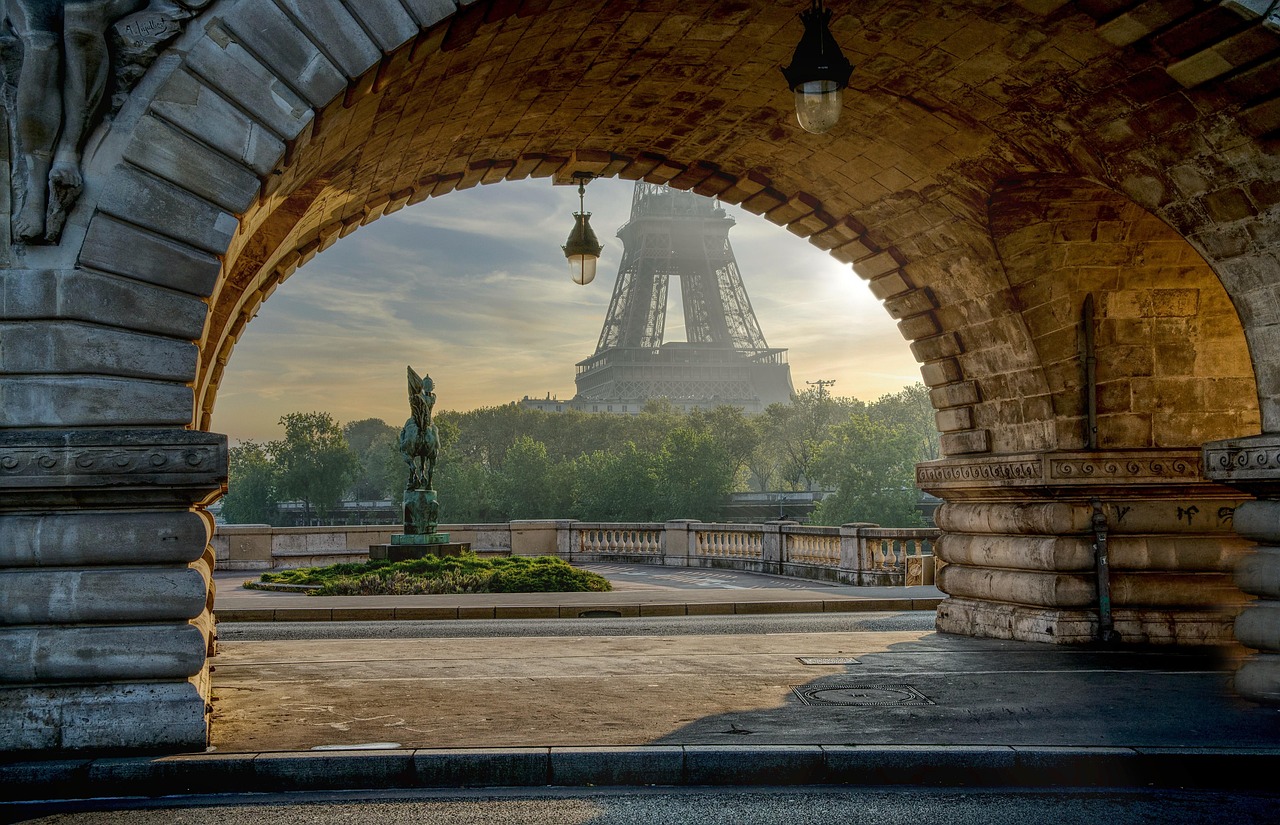
The Eiffel Tower, built by Gustave Eiffel for the 1889 Universal Exposition, is undoubtedly the most recognizable symbol of Paris. This engineering feat, initially criticized by certain artists and intellectuals, is now celebrated for its architectural boldness. Rising 324 meters high, the tower was long the tallest structure in the world—a testament to French innovation and visionary spirit.
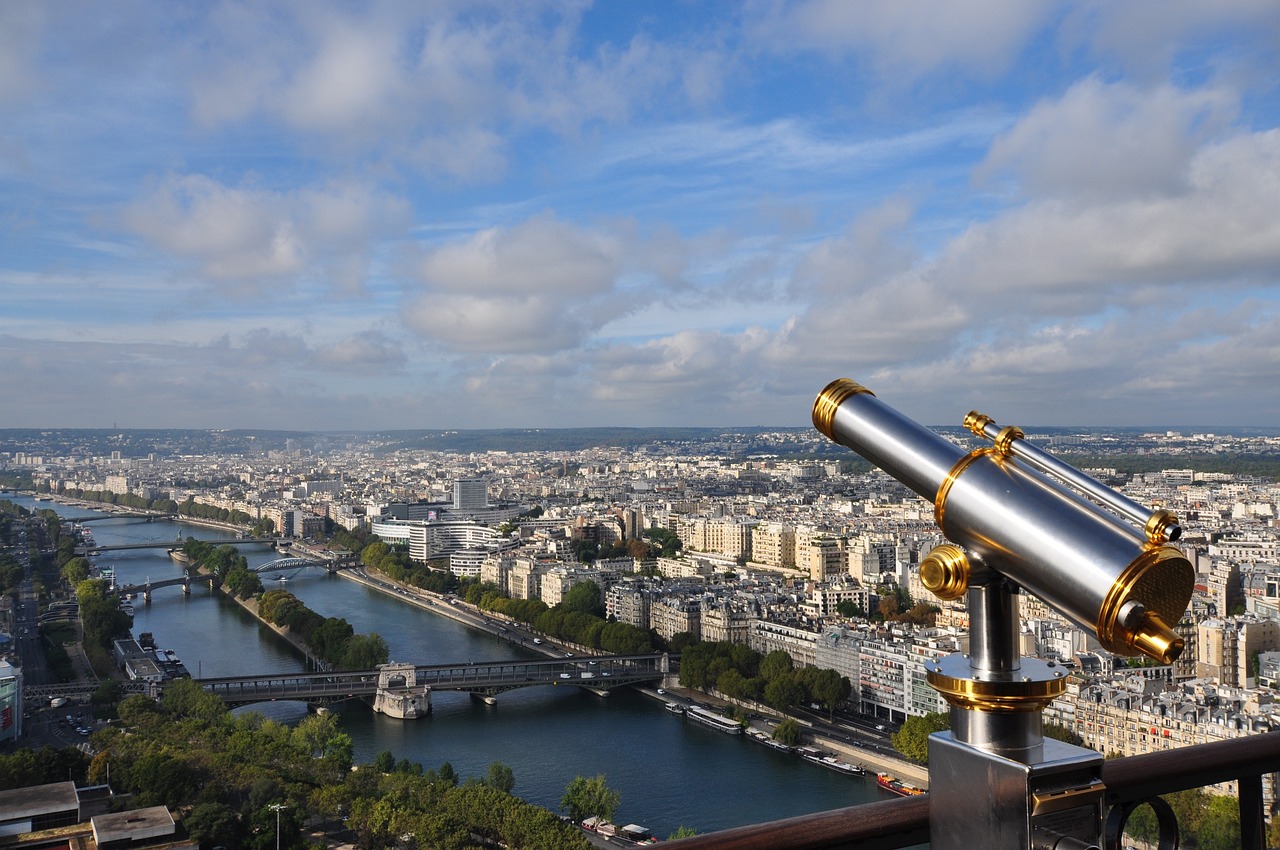
Climbing to the top of the Eiffel Tower offers an unforgettable panoramic view of the capital, allowing visitors to see Paris from a completely new perspective. Each floor provides a unique experience, with exhibitions recounting the tower’s history and restaurants offering refined cuisine paired with breathtaking views. The tower is also a favourite destination for lovers from around the world who come to seal their affection in this romantic setting.
More than just a monument, the Eiffel Tower has become a universal symbol of love and romance. It is often illuminated to celebrate global events or important causes. Its impressive yet elegant presence embodies the spirit of Paris—a city that continues to inspire and fascinate through the ages.
Ainsi, pour mieux comprendre la magie de Paris, il est essentiel de se pencher sur ses monuments. Ce voyage à travers le temps permet de découvrir comment chaque époque a laissé son empreinte sur la ville, transformant Paris en une métropole vibrante et captivante. Explorons ensemble ces icônes architecturales qui font battre le cœur de Paris.
The Eiffel Tower: A Symbol of Innovation and Love
The Eiffel Tower, built by Gustave Eiffel for the 1889 Universal Exposition, is undoubtedly the most recognizable symbol of Paris. This engineering feat, initially criticized by some artists and intellectuals, is now celebrated for its architectural boldness. Standing 324 meters tall, the tower was for a long time the tallest structure in the world—a testament to French innovation and forward-thinking spirit.
Climbing to the top of the Eiffel Tower offers an unforgettable panoramic view of the capital, allowing visitors to see Paris from a completely new perspective. Each level of the tower provides a unique experience, with exhibitions retracing its history and restaurants offering refined cuisine paired with breathtaking views. The tower is also a favorite destination for lovers from around the world who come to seal their affection there.
The Eiffel Tower is more than just a monument; it has become a universal symbol of love and romance, often illuminated to celebrate global events or important causes. Its imposing yet elegant presence embodies the spirit of Paris, a city that continues to inspire and fascinate through the ages.
Notre-Dame de Paris: A Masterpiece of Gothic Architecture
Notre-Dame Cathedral, a jewel of Gothic architecture, stands majestically on the Île de la Cité as one of Paris’s most iconic monuments. Built between the 12th and 14th centuries, it is the result of exceptional craftsmanship that has endured through time. Its colorful stained-glass windows, flying buttresses, and mysterious gargoyles captivate the imagination and tell the rich, complex story of medieval France.
The interior of Notre-Dame is just as impressive as its exterior. Visitors can admire the splendor of its rose windows, its ornate chapels, and its grand organ. Every corner of the cathedral is imbued with spirituality and history, offering a space for reflection and contemplation. Despite the tragic fire of 2019, Notre-Dame remains a resilient symbol of faith and historical continuity.
The cathedral is also renowned for inspiring Victor Hugo’s novel Notre-Dame de Paris, which played a crucial role in its preservation. Through his evocative descriptions, Hugo raised public awareness about the importance of protecting this historical heritage. Today, ongoing restoration efforts continue to honor this legacy, ensuring that Notre-Dame remains a living witness to French history.
The Louvre: From Royal Palace to Global Museum
Once a royal palace, the Louvre is now one of the most visited museums in the world. With its vast collections of artworks ranging from Antiquity to the modern era, it attracts millions of culture lovers each year. Its famous glass pyramid, designed by architect I. M. Pei, marks the entrance to the historic complex, symbolizing the harmony between past and present.
The museum houses world-renowned masterpieces such as Leonardo da Vinci’s Mona Lisa and the Venus de Milo. Each gallery of the Louvre tells a different story, highlighting the diversity and richness of civilizations across the ages. Visitors can lose themselves in the museum’s endless halls, exploring treasures from ancient Egypt, classical Greece, and many other cultures.
The Louvre is not only a place of artistic preservation but also a center of education and inspiration. Temporary exhibitions and educational programs allow visitors to discover new perspectives on art and history. With its grandeur and diversity, the Louvre embodies the essence of Paris as a global cultural capital.
The Arc de Triomphe: A Tribute to the Nation’s Heroes
Commissioned by Napoleon Bonaparte after the Battle of Austerlitz, the Arc de Triomphe is a monumental tribute to the soldiers who fought for France. Located at the center of Place Charles de Gaulle, it dominates the famous Champs-Élysées. This imposing monument is engraved with the names of generals and battles that shaped France’s military past.
Climbing to the top of the Arc de Triomphe offers visitors a spectacular view of Paris, providing a unique perspective on the city. The monument also houses the Tomb of the Unknown Soldier, a poignant tribute to fallen soldiers, reminding visitors of the importance of peace and remembrance. Each year on November 11th, the eternal flame is rekindled to honor their memory.
The Arc de Triomphe is more than a military monument; it is a symbol of resilience and national pride. It embodies the values of freedom and honor, reminding future generations of the importance of defending these ideals. Visiting this landmark allows one to feel the indomitable spirit of Paris and of France.
Montmartre and the Basilica of the Sacré-Cœur: A Historic Artistic Haven
Montmartre, with its bohemian charm, is one of Paris’s must-see neighborhoods, celebrated for its artistic atmosphere and its breathtaking view of the city. This picturesque district was once home to renowned artists such as Picasso, Van Gogh, and Toulouse-Lautrec, who found inspiration in its cobbled streets and lively cafés. Montmartre continues to attract creatives from around the world, eager to follow in the footsteps of these masters.
At the top of the hill stands the Basilica of the Sacré-Cœur, an emblematic monument with its striking white dome. Built at the end of the 19th century, the basilica offers a striking contrast to the vibrant district that surrounds it. Its interior, decorated with magnificent mosaics, is a place of devotion and serenity, drawing visitors in search of peace and spirituality.
Nearby, Place du Tertre is an essential stop to experience Montmartre’s artistic vibrancy. Surrounded by painters and caricaturists, it offers a unique atmosphere where art and daily life intertwine. With its rich history and lively culture, Montmartre is a microcosm of Parisian creativity—a place where art and history blend harmoniously.
The Palace of Versailles: The Grandeur of the French Kings
The Palace of Versailles, located just outside Paris, is a masterpiece of Baroque architecture and a symbol of the French monarchy. Transformed into a grand royal residence by Louis XIV, the Sun King, Versailles is now a UNESCO World Heritage Site attracting millions of visitors each year. Its French-style gardens, majestic fountains, and opulent rooms reflect the grandeur and extravagance of the royal court.
At the heart of the palace lies the famous Hall of Mirrors, an impressive gallery adorned with mirrors and glittering chandeliers. It is here that historic treaties were signed and the French court celebrated its greatest triumphs. A visit to Versailles invites you to immerse yourself in the lavish world of the French kings, offering a fascinating glimpse into court life.
The gardens of Versailles, designed by landscape architect André Le Nôtre, are a masterpiece of landscape design. With geometric flowerbeds, fountains, and statues, they invite visitors to stroll and contemplate. The Versailles estate is far more than a palace; it is a living testament to the history of France—a place where art and nature coexist in perfect harmony.
Notre-Dame de Paris: A Masterpiece of Gothic Architecture
Notre-Dame Cathedral, a jewel of Gothic architecture, stands majestically on the Île de la Cité as one of Paris’s most iconic monuments. Built between the 12th and 14th centuries, it is the result of exceptional craftsmanship that has endured through time. Its colorful stained-glass windows, flying buttresses, and mysterious gargoyles captivate the imagination and tell the rich, complex story of medieval France.
The interior of Notre-Dame is just as impressive as its exterior. Visitors can admire the splendor of its rose windows, its ornate chapels, and its grand organ. Every corner of the cathedral is imbued with spirituality and history, offering a space for reflection and contemplation. Despite the tragic fire of 2019, Notre-Dame remains a resilient symbol of faith and historical continuity.
The cathedral is also renowned for inspiring Victor Hugo’s novel Notre-Dame de Paris, which played a crucial role in its preservation. Through his evocative descriptions, Hugo raised public awareness about the importance of protecting this historical heritage. Today, ongoing restoration efforts continue to honor this legacy, ensuring that Notre-Dame remains a living witness to French history.
The Louvre: From Royal Palace to Global Museum
Once a royal palace, the Louvre is now one of the most visited museums in the world. With its vast collections of artworks ranging from Antiquity to the modern era, it attracts millions of culture lovers each year. Its famous glass pyramid, designed by architect I. M. Pei, marks the entrance to the historic complex, symbolizing the harmony between past and present.
The museum houses world-renowned masterpieces such as Leonardo da Vinci’s Mona Lisa and the Venus de Milo. Each gallery of the Louvre tells a different story, highlighting the diversity and richness of civilizations across the ages. Visitors can lose themselves in the museum’s endless halls, exploring treasures from ancient Egypt, classical Greece, and many other cultures.
The Louvre is not only a place of artistic preservation but also a center of education and inspiration. Temporary exhibitions and educational programs allow visitors to discover new perspectives on art and history. With its grandeur and diversity, the Louvre embodies the essence of Paris as a global cultural capital.
The Arc de Triomphe: A Tribute to the Nation’s Heroes
Commissioned by Napoleon Bonaparte after the Battle of Austerlitz, the Arc de Triomphe is a monumental tribute to the soldiers who fought for France. Located at the center of Place Charles de Gaulle, it dominates the famous Champs-Élysées. This imposing monument is engraved with the names of generals and battles that shaped France’s military past.
Climbing to the top of the Arc de Triomphe offers visitors a spectacular view of Paris, providing a unique perspective on the city. The monument also houses the Tomb of the Unknown Soldier, a poignant tribute to fallen soldiers, reminding visitors of the importance of peace and remembrance. Each year on November 11th, the eternal flame is rekindled to honor their memory.
The Arc de Triomphe is more than a military monument; it is a symbol of resilience and national pride. It embodies the values of freedom and honor, reminding future generations of the importance of defending these ideals. Visiting this landmark allows one to feel the indomitable spirit of Paris and of France.
Montmartre and the Basilica of the Sacré-Cœur: A Historic Artistic Haven
Montmartre, with its bohemian charm, is one of Paris’s must-see neighborhoods, celebrated for its artistic atmosphere and its breathtaking view of the city. This picturesque district was once home to renowned artists such as Picasso, Van Gogh, and Toulouse-Lautrec, who found inspiration in its cobbled streets and lively cafés. Montmartre continues to attract creatives from around the world, eager to follow in the footsteps of these masters.
At the top of the hill stands the Basilica of the Sacré-Cœur, an emblematic monument with its striking white dome. Built at the end of the 19th century, the basilica offers a striking contrast to the vibrant district that surrounds it. Its interior, decorated with magnificent mosaics, is a place of devotion and serenity, drawing visitors in search of peace and spirituality.
Nearby, Place du Tertre is an essential stop to experience Montmartre’s artistic vibrancy. Surrounded by painters and caricaturists, it offers a unique atmosphere where art and daily life intertwine. With its rich history and lively culture, Montmartre is a microcosm of Parisian creativity—a place where art and history blend harmoniously.
The Palace of Versailles: The Grandeur of the French Kings
The Palace of Versailles, located just outside Paris, is a masterpiece of Baroque architecture and a symbol of the French monarchy. Transformed into a grand royal residence by Louis XIV, the Sun King, Versailles is now a UNESCO World Heritage Site attracting millions of visitors each year. Its French-style gardens, majestic fountains, and opulent rooms reflect the grandeur and extravagance of the royal court.
At the heart of the palace lies the famous Hall of Mirrors, an impressive gallery adorned with mirrors and glittering chandeliers. It is here that historic treaties were signed and the French court celebrated its greatest triumphs. A visit to Versailles invites you to immerse yourself in the lavish world of the French kings, offering a fascinating glimpse into court life.
The gardens of Versailles, designed by landscape architect André Le Nôtre, are a masterpiece of landscape design. With geometric flowerbeds, fountains, and statues, they invite visitors to stroll and contemplate. The Versailles estate is far more than a palace; it is a living testament to the history of France—a place where art and nature coexist in perfect harmony.